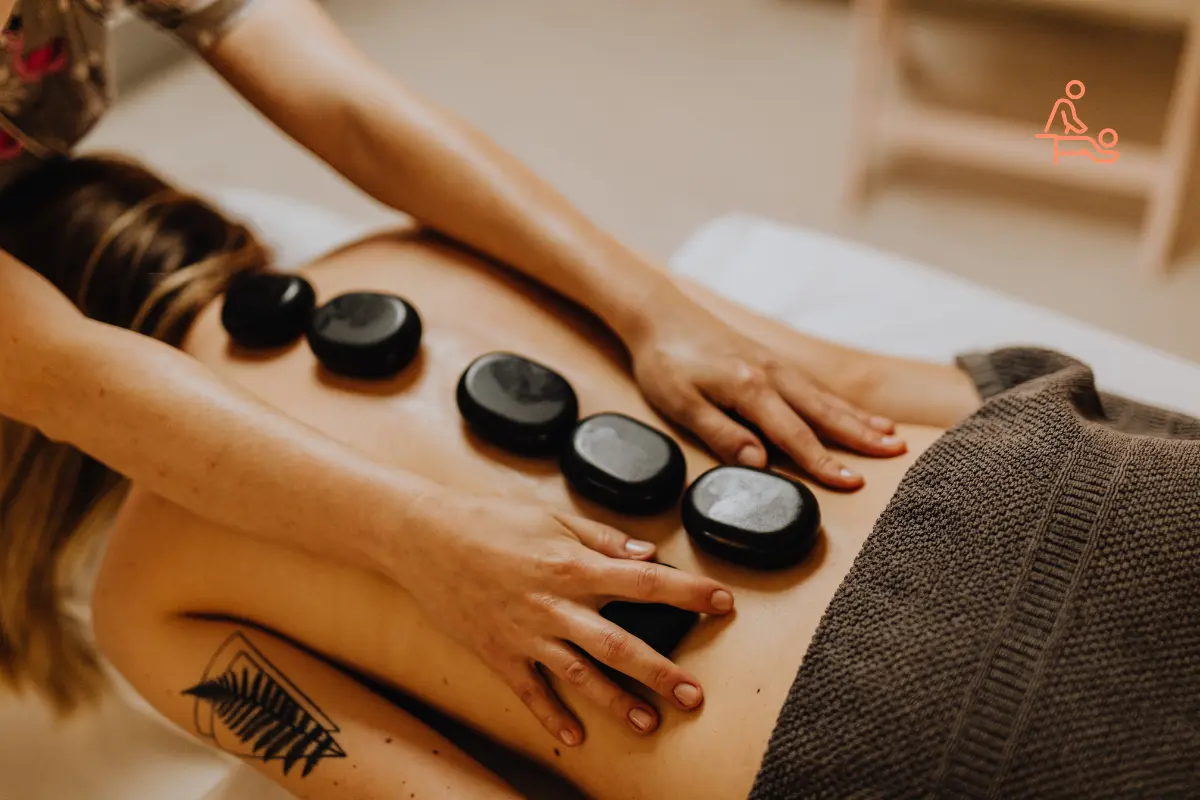
Most people have a vague idea of what a spa is — soft lighting, warm towels, maybe some essential oils. But there’s a significant difference between a quick pampering session and what a genuine professional spa experience actually delivers for your health.
If you’ve been curious about whether spa therapy is worth your time and money — or if you’re simply dealing with chronic stress, muscle tension, or sleeplessness and wondering whether there’s a better solution than medication — this article is for you.
We’ll break down exactly what a professional spa is, the science behind why it works, what services you should actually expect, and how regular spa visits can become one of the most effective wellness investments you make.
What Exactly Is a Professional Spa?
A professional spa is a facility staffed by trained therapists that offers structured therapeutic treatments designed to improve physical health, mental well-being, and overall quality of life. The word “spa” itself is thought to derive from the Latin phrase salus per aquam — meaning “health through water” — though today’s spas have expanded far beyond hydrotherapy into massage, aromatherapy, energy work, and full-body wellness programs.
What separates a professional spa from a casual massage parlor or beauty salon comes down to a few core things:
- Trained and certified therapists who understand human anatomy, muscle groups, and the nervous system
- Structured treatment protocols rather than improvised sessions
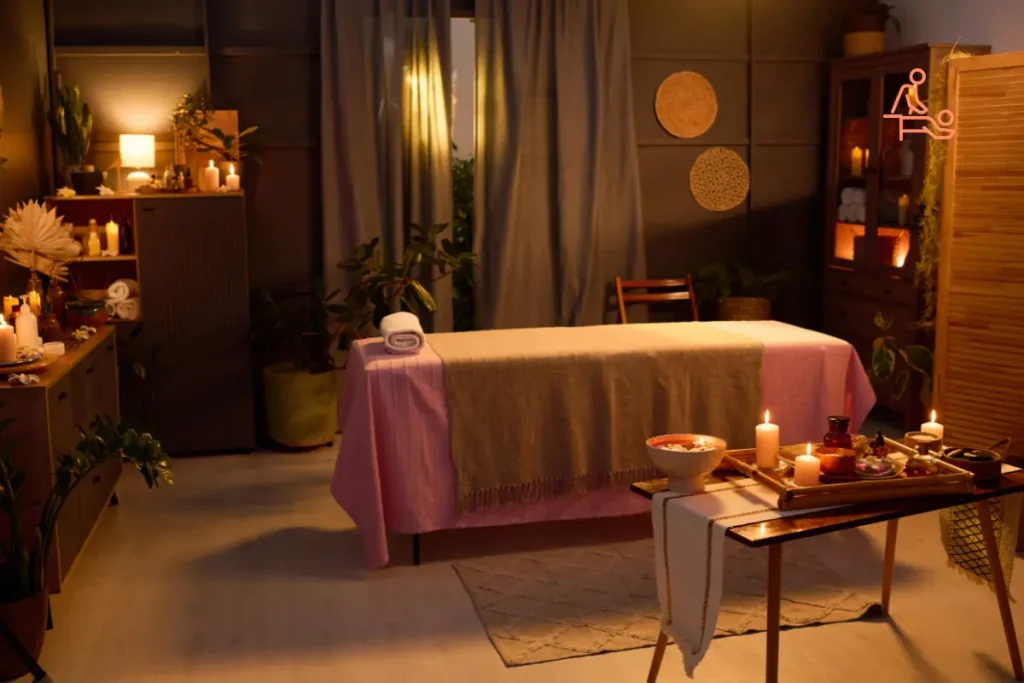
- A therapeutic environment — controlled temperature, lighting, sound, and scent — designed to reduce cortisol and support the body’s natural recovery processes
- A comprehensive framework– that simultaneously attends to the bodily and mental aspects of overall health
In Dhaka, where the pace of professional life in areas like Gulshan and Banani can be relentless, a well-run spa isn’t a luxury — it’s closer to a necessity for people who want to sustain high performance without burning out.
The Science Behind Spa Therapy: Why It Actually Works
Skeptics sometimes view spa treatments as feel-good indulgences with no real physiological basis. The research says otherwise.
How a Massage Transforms Your Body Internally
When a trained therapist applies controlled pressure to your muscles and soft tissue, a cascade of physiological responses is triggered:
Cortisol drops. Cortisol is your primary stress hormone. Elevated cortisol over time contributes to weight gain, poor sleep, weakened immunity, and anxiety. Multiple studies have shown that massage significantly reduces cortisol levels — often measurably within a single session.
Serotonin and dopamine rise. These are the brain chemicals that govern emotional balance and a feeling of peaceful wellness. After a professional massage, the body produces more of both.
Blood circulation improves. Therapeutic pressure encourages vasodilation (widening of blood vessels), which means more oxygen and nutrients reach your muscles and organs — and metabolic waste products are flushed out more efficiently.
The parasympathetic nervous system activates. This is your “rest and digest” system — the biological opposite of the “fight or flight” stress response. Activating it consistently is one of the most important things you can do for long-term health.
Muscle tension releases. Trigger points — those tight, knotted areas in your muscles — respond to sustained, skilled pressure by relaxing and releasing, which directly reduces pain and stiffness.
These aren’t minor or temporary effects. With regular sessions, they compound into lasting improvements in how you feel and function every day.
Core Professional Spa Services — And What Each One Actually Does
Understanding the difference between spa treatments helps you choose what’s actually right for your needs, rather than just picking whatever sounds most appealing.
Dry Massage
Despite its name, dry massage isn’t simply massage without oil — it’s a therapeutic technique that uses firm, deliberate pressure applied directly through fabric or on bare skin without lubricant. This method allows therapists to apply more precise, targeted pressure to specific muscle groups and trigger points.
Dry massage is particularly effective for:
- Deep muscle tension and postural imbalances
- Sports recovery and overuse injuries
- Clients who prefer firm, structured pressure over flowing strokes
- People who find oil-based massage too relaxing and want something more actively therapeutic
If you spend long hours at a desk or in meetings, the muscle rigidity that builds up in your neck, shoulders, and lower back responds exceptionally well to this technique.
Oil Massage
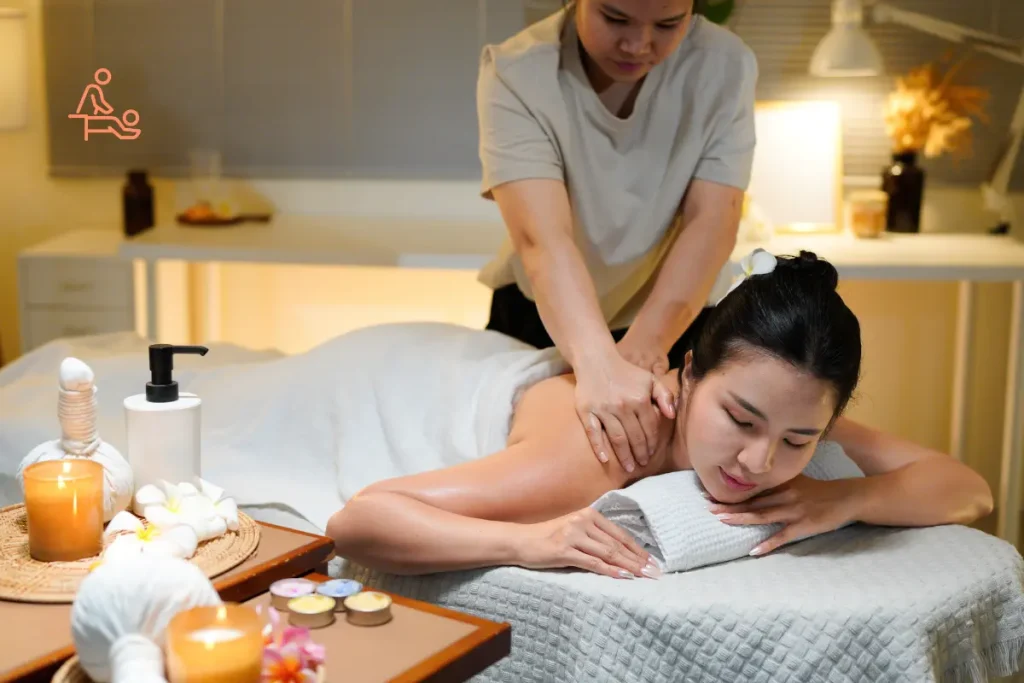
Oil massage — typically using warm, high-quality carrier oils sometimes blended with therapeutic additives — is what most people picture when they imagine a spa treatment. The oil reduces friction, allowing therapists to work with long, gliding strokes that create a deeply soothing effect on the nervous system.
Beyond the obvious relaxation benefit, warm oil massage:
- Nourishes and hydrates the skin
- Improves lymphatic drainage (your body’s internal waste-clearing system)
- Reduces muscle soreness and joint stiffness
- Supports better sleep — particularly valuable for those dealing with insomnia or poor sleep quality
It’s also one of the most accessible treatments for first-time spa visitors, since the experience is intuitive and the benefits are immediate.
Aromatherapy Massage
Aromatherapy massage combines the physical benefits of therapeutic touch with the neurological effects of essential oils. This isn’t simply scented massage oil — properly administered aromatherapy uses specific plant-derived compounds that interact with the limbic system (the brain’s emotional center) through the olfactory nerve.
Different essential oils produce measurably different effects:
- Lavender reduces anxiety and promotes sleep
- Eucalyptus opens airways and reduces sinus congestion
- Bergamot elevates mood and relieves mild depression
- Peppermint enhances mental clarity and reduces headache pain
- Frankincense promotes deep relaxation and reduces inflammatory markers
For people dealing with high-stress work environments, mood fluctuations, or anxiety, aromatherapy massage can be particularly effective — sometimes more so than standard relaxation massage alone.
Four-Hand Massage
Four-hand massage is precisely what the name suggests: two practitioners working in unison on one client, using coordinated techniques. The experience is profoundly disorienting in the best possible way — your brain, unable to track and anticipate four hands at once, surrenders its habitual vigilance far faster than in a standard session.
This complete mental surrender is the treatment’s primary benefit. When the analytical mind finally lets go, the body releases tension at a deeper level than is usually possible.
Four-hand massage is particularly recommended for:
- People who find it difficult to “switch off” during standard massage
- Executives and high-performers dealing with chronic overthinking
- Anyone who hasn’t responded as well as expected to single-therapist sessions
- Special occasions where a truly exceptional experience is the goal
Full Body Massage
A full body massage is a comprehensive therapeutic session that addresses every major muscle group — from the scalp and neck through the back, arms, abdomen, hips, legs, and feet. Sessions commonly range from 60 to 90 minutes.
This is the gold standard for overall well-being maintenance. Rather than targeting a specific problem area, full body massage creates systemic benefit: the nervous system resets, circulation improves throughout, and the cumulative release of tension across the entire body produces a level of restoration that targeted sessions simply cannot replicate.
For people who can only visit a spa once a month, a full body massage is usually the treatment that delivers the most comprehensive return.
Relaxation Therapy
Beyond massage, professional spas offer broader relaxation therapies that might include guided breathing techniques, sound therapy, heat treatments, or specialized mind-body protocols. The goal is specifically to restore the nervous system — to move the body from a state of chronic activation into genuine restorative rest.
For people dealing with anxiety, burnout, insomnia, or emotionally exhausting work, relaxation therapy can be transformative. It’s not passive — it actively retrains how your nervous system responds to stress over time.
The Real Benefits of Regular Spa Visits
Many people visit a spa once and enjoy it but never quite make it a consistent part of their routine. That’s a missed opportunity, because the most meaningful benefits of spa therapy are cumulative rather than one-time.
Stress Reduction That Lasts
A single massage reduces stress. But regular massage — even once or twice a month — begins to shift your baseline. Your resting cortisol levels drop. Your nervous system becomes more resilient. Small stressors that used to trigger significant tension responses start rolling off more easily.
This is especially relevant for professionals in demanding roles in cities like Dhaka, where work pressure, commuting stress, and environmental noise create a constant burden on the nervous system.
Better Sleep
Poor sleep is an epidemic among working adults, and it’s a vicious cycle — stress causes poor sleep, and poor sleep increases stress sensitivity. Spa therapy breaks this cycle directly. The post-massage drop in cortisol and rise in serotonin (which converts to melatonin) creates measurable improvements in sleep quality that often begin the same night.
Reduced Chronic Pain
Muscle tension, postural pain, tension headaches, and lower back discomfort are among the most common complaints among desk workers and frequent travelers. Professional massage — particularly dry massage and deep tissue techniques — directly addresses the underlying muscular causes rather than just masking symptoms.
Improved Circulation and Skin Health
Better blood flow means more efficient delivery of oxygen and nutrients to the skin. Regular massage and body treatments noticeably improve skin texture, tone, and the speed at which the skin repairs itself. This is one of the benefits that people often notice first.
Mental Clarity and Emotional Balance
There’s a reason a massage session often feels like hitting a reset button on your mental state. The neurochemical shift — lower cortisol, higher serotonin and dopamine — directly affects your ability to think clearly, manage emotions, and engage with others. Many regular spa-goers report better decision-making, improved mood, and a greater sense of perspective after consistent treatments.
Immune System Support
Chronic stress suppresses immune function by continuously elevating cortisol, which inhibits the production of white blood cells. Regular relaxation through spa therapy — by consistently reducing that cortisol load — has been associated with measurably improved immune response. It won’t replace good nutrition and sleep, but it’s a meaningful complement to them.
What to Look for in a Professional Spa in Dhaka
Not every establishment that calls itself a spa delivers genuine therapeutic value. When you’re looking for professional spa services in Dhaka — whether in Gulshan, Banani, or surrounding areas — here’s what actually matters:
Therapist qualifications. Ask whether therapists are trained and certified. Skilled massage therapy requires knowledge of anatomy, contraindications, and technique — it’s not something learned in a few weeks.
Treatment consultation. A professional spa should ask about your health history, current concerns, and preferences before your session, not just hand you a menu and send you in.
Hygiene and environment standards. Clean linens, sanitized equipment, and a well-maintained environment aren’t optional — they’re the baseline.
Customized sessions. Your treatment should be adapted to your specific needs, not delivered as a one-size-fits-all routine regardless of what you’ve communicated.
Privacy and comfort. Professional spas take client dignity seriously. Proper draping, private rooms, and clear communication throughout are non-negotiable.
At Afrin Love Spa in Dhaka — located in the Frozen area near Road No. 41 — these standards are embedded in how every treatment is delivered. Whether you’re visiting for a targeted dry massage after a demanding week, or investing in a full body session for comprehensive recovery, the focus is always on genuine therapeutic outcome rather than a superficial experience.
How Often Should You Visit a Spa?
This is one of the most common questions first-time spa visitors ask, and the honest answer is: it depends on your goals and your starting point.
For stress management and general well-being: Once or twice a month is enough to notice meaningful cumulative benefits. Many professionals in demanding roles settle into a biweekly rhythm and find it significantly changes their baseline stress levels.
For chronic pain or muscle tension: More frequent sessions — weekly or biweekly — may be appropriate in the beginning, tapering as the underlying tension resolves.
For acute recovery (post-travel, after intensive work periods): A single comprehensive session can be highly restorative. Consider it a reset switch.
For maintenance: Even quarterly full body sessions, combined with simpler at-home practices, can help prevent tension from accumulating to problematic levels.
The core takeaway is that regularity outweighs how often you go. One session a month for a year will do more for your well-being than four sessions in a week followed by nothing for six months.
Common Misconceptions About Professional Spas
“Spas are just for women.” Massage therapy is physiologically effective regardless of gender. In fact, men tend to carry more muscle mass and often develop more severe postural tension from sedentary work — meaning they often benefit even more dramatically from therapeutic massage.
“It’s purely relaxation — there’s no real health benefit.” As covered above, the research on massage therapy’s physiological effects is substantial. Reduced cortisol, improved circulation, better sleep, reduced muscle pain — these are measurable outcomes, not subjective impressions.
“One session won’t make a difference.” Even a single professional session produces measurable neurochemical changes. The benefits are real, even if their duration increases with regular practice.
“Spa treatments are too expensive to be practical.” When you compare the cost of regular spa sessions against the long-term costs of stress-related health issues — poor sleep, reduced productivity, physical pain, anxiety management — the investment looks very different. Preventative wellness is almost always more economical than reactive healthcare.
Practical Tips for Getting the Most From Your Spa Visit
- Arrive a few minutes early. Rushing to your appointment keeps your nervous system activated. Arriving calm allows the session to work faster.
- Communicate with your therapist. Tell them about problem areas, pressure preferences, and any injuries or health conditions. This isn’t optional — it’s how you get results.
- Stay hydrated before and after. Massage mobilizes metabolic waste products from your muscles. Drinking water helps flush them through your system.
- Avoid heavy meals beforehand. A full stomach makes lying face-down uncomfortable and diverts blood flow to digestion.
- Plan your post-session schedule. If possible, don’t rush back into demanding meetings or high-stress situations immediately after. Give yourself at least an hour of transition time.
- Be consistent. As discussed, regular sessions produce compounding benefits. Treat it like exercise — the real gains come over time.
Conclusion
A professional spa is far more than a place to unwind. When delivered with proper technique and genuine expertise, spa therapy is a legitimate tool for managing the physical and psychological demands of modern life — reducing stress hormones, improving sleep, relieving chronic pain, supporting immune function, and restoring mental clarity.
For anyone living and working in Dhaka’s demanding professional environment, these aren’t trivial benefits. They’re the difference between operating at your best and gradually accumulating the kind of stress burden that eventually catches up with you.
Whether you’re drawn to the targeted precision of dry massage, the deep calm of aromatherapy, or the comprehensive reset of a full body session, the important thing is to start — and then to make it a consistent part of how you take care of yourself.
Your body will feel the change sooner than you might anticipate.
FAQ Section
What is a professional spa and how is it different from a regular massage parlor?
A professional spa employs certified therapists, uses structured treatment protocols, and maintains a therapeutic environment designed to produce measurable health outcomes. A regular massage parlor may offer relaxation without the same depth of training, hygiene standards, or customized approach.
What are the main benefits of visiting a professional spa?
The primary benefits include stress reduction, improved sleep quality, relief from chronic muscle tension and pain, better blood circulation, enhanced mood, and support for immune function. These benefits are grounded in physiological research — not just subjective experience.
How often should I visit a spa for the best results?
For general well-being, once or twice a month is typically sufficient to see cumulative benefits. For specific issues like chronic pain or post-injury recovery, more frequent sessions may be needed initially.
Is spa therapy safe for everyone?
Most healthy adults can safely enjoy spa treatments. However, some conditions — including certain cardiovascular conditions, recent surgeries, skin infections, or pregnancy — may require modifications or medical clearance first. Always disclose your health history to your therapist before your session.
What is the difference between oil massage and dry massage?
Oil massage uses warm lubricating oils and long gliding strokes, making it ideal for relaxation and skin nourishment. Dry massage uses firm, targeted pressure without oil, making it better for deep muscle work, trigger point release, and postural correction.
What should I expect during my first spa visit?
A good spa will begin with a brief consultation about your health history and goals. You’ll then be guided through your chosen treatment in a private, comfortable setting. Expect to feel deeply relaxed afterward — and possibly a little tired, which is normal.
What is aromatherapy massage and how does it work?
Aromatherapy massage combines therapeutic touch with specific essential oils chosen for their neurological effects. The oils interact with the brain’s limbic system through the olfactory system, producing effects ranging from reduced anxiety (lavender) to improved mental clarity (peppermint).
What is a four-hand massage and who should try it?
In a four-hand massage, two therapists work simultaneously on the same client in synchronized movements. Because the brain can’t track four hands, it stops anticipating and fully relaxes. It’s particularly beneficial for people who struggle to mentally switch off during standard massage.
Can spa therapy help with insomnia or poor sleep?
Yes. The reduction in cortisol and the increase in serotonin and dopamine following massage directly support better sleep. Many people notice improvement in sleep quality on the night of their session, with lasting improvements developing over multiple visits.
Does massage help with neck and back pain from desk work?
Absolutely. Desk work creates predictable patterns of postural tension in the neck, shoulders, upper back, and lower back. Regular massage — particularly dry massage or deep tissue techniques — directly addresses the muscular causes of this pain rather than just masking it.
What should I do before and after a spa treatment?
Before: stay hydrated, avoid heavy meals, and arrive a few minutes early. After: drink water, allow time to rest rather than jumping straight into demanding activities, and avoid intense exercise for several hours.
Are spa treatments only for relaxation, or do they have real health benefits?
Research consistently shows that professional massage reduces cortisol, improves circulation, increases serotonin and dopamine, supports immune function, and relieves muscle pain. These are measurable physiological outcomes — not just subjective feelings of relaxation.
Is it appropriate for men to visit a professional spa?
Absolutely. Men commonly carry significant muscle tension — particularly in the shoulders, neck, and lower back — and benefit enormously from therapeutic massage. Gender is irrelevant to the physiological benefits of spa therapy.
What is relaxation therapy and how is it different from massage?
Relaxation therapy goes beyond physical massage to include broader techniques — breathing protocols, sound therapy, heat treatments, and mind-body practices — specifically aimed at resetting the nervous system. It’s particularly valuable for people dealing with anxiety, burnout, or chronic stress.
Where can I find a professional spa in Gulshan or Banani, Dhaka?
Afrlin Love Spa, located near Road No. 41 in Dhaka, offers a full range of professional spa services including dry massage, oil massage, aromatherapy massage, four-hand massage, full body massage, and relaxation therapy — delivered by trained therapists in a proper therapeutic environment.


18 comments
I love the community vibe and the way the games are organized. It feels like a premium experience without the hassle. Thanks mmbaganx
Everything from the deposits to the gameplay is seamless. It is refreshing to find a site that actually values its players. Keep it up bd88fp
I have been using this site for a few weeks now and the interface is super smooth. Really enjoying the experience so far! Check out bd786bd
I used to struggle with complicated sign up processes but this platform made everything so simple and secure. The login page loads instantly and I feel completely safe knowing my data is well protected. I also love how straightforward the cash out process is with no hidden steps. It feels like a space designed specifically for players who want convenience without stress. phtayacomlogin
Based in Bangladesh and this site makes gaming so accessible with local payment methods that actually work. The app runs beautifully on older phones too, which is a huge plus. Support responds within minutes and the game library keeps getting better. Truly made for us. bdbijoylogin
Honestly I was struggling to find a smooth way to get started until I came across this link. The download process was super quick and everything runs perfectly on my phone. Just love how easy it is to jump into a game whenever I have a spare moment. 888pokerdownload
Playing here gives me that authentic casino warmth right from my couch. The live dealers chat like old friends and the payment flow is as smooth as butter. I always return for the reliable payouts and the happy community. mx17casino
Finding a reliable bingo spot can be tricky but this community really stands out. I enjoy how casual the vibe is while still keeping the game properly organized for everyone. It feels like hanging out with old friends who know how to keep the fun rolling. I am so glad I discovered a place that values both luck and good company. bingo101game
I really love the bonuses they offer for new players. It gave me a great head start to try out different slots. winbrl01 is the way to go.
I’ve tried many sites but this one has the best win rate so far. Super easy to navigate and very secure. Go for br5588bet45.
The app experience is just top notch. It is so much more convenient than using a browser. Definitely download okadaplayapp if you want to play on the go.
Finally found a reliable source to get the apk. The installation was quick and the app works perfectly on my phone. Highly recommend p999gamedownloadapk for a hassle free setup.
I used to scroll through endless menus looking for a slot that actually pays out but this app changed my routine completely. The graphics are crisp and the spin animations keep me entertained for hours. Swing by and spin a few rounds today a80slotgame
The variety of slots here is insane. I spent the whole night playing and had a great time. Definitely visit okjilicasino if you love slots.
The variety of slots here is insane. I spent the whole night playing and had a great time. Definitely visit okjilicasino if you love slots.
I stumbled onto this spot by recommendation and it has completely changed my weekend routine. The lobby is clean and the withdrawal process actually works without endless delays. Truly refreshing to find a site that keeps its promises. 6789awin
If you are looking for a place that takes casino gaming seriously this is it. The slot selection is top notch and the live dealer games feel incredibly immersive. I also love how they provide clear tips for newcomers without making it feel like a boring tutorial. It is a joy to play here arcasinoguru
Finding a reliable online casino can feel like searching for a needle in a haystack but this platform makes everything so easy to navigate. I love how quickly my bonus credits show up and the game selection keeps me entertained for hours. Highly recommend giving their live dealer section a try. Visit the official site cl88win