
Head Massage
Head massages have their history and are widely appreciated for their therapeutic values, which are believed to relax the body, improve concentration, and discard tension. This detailed guide covers the basics of head massage, techniques that one can try, benefits, and some of the common mistakes to be avoided so as to ensure safety and effectiveness of massage.
1. Benefits of Head Massage
There is more to head massage than just relaxation; here’s a few benefits:
Stress Reduction: Head massage reduces the levels of cortisol, the hormone responsible for stress, by keeping the mind and body calm. In fact, gentle pressure during head massage triggers a flow of blood that carries oxygen and essential nutrients to the hair follicles and scalp, aiding in the nurturing of healthy hair. Head massage is another way to relieve headache tension. Many people are able to free themselves from headaches because the built-up pressures are released from the head.
Improved Sleep: Head massage relaxes tense muscles, cools the nervous system, and thus improves sleep quality.
Better Mental Clarity and Concentration: Head massage regularly releases mental fatigue and concentrating skills.
2. Basic Head Massage Techniques
Mastering basic techniques will take a simple head massage to a rejuvenating experience. Some easy and effective techniques to get started with are mentioned below.
a. Kneading Scalp
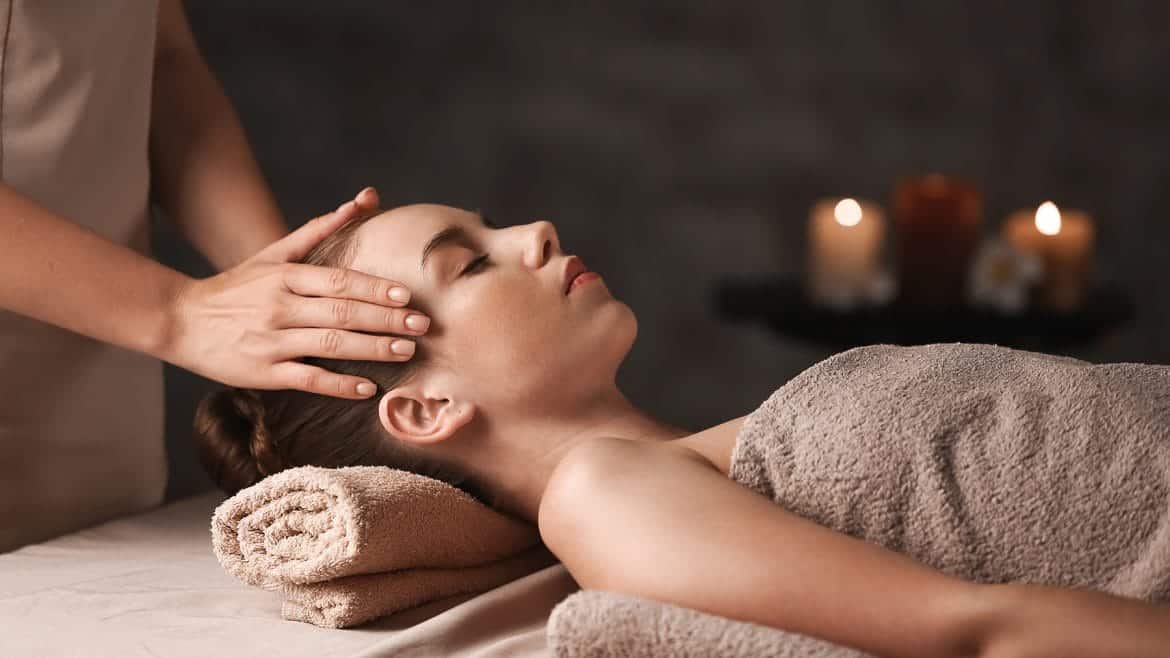
How to Do It: Place your fingertips on either side of the scalp, towards your temples. Lightly press using the tips of your fingers in small, smooth, gentle circles, working around the temples up onto the top of the head.
Benefits: This technique relieves tension and helps increase blood flow, leading to a calm, relaxed feeling.
b. Hair Tugging
How it’s done: This is done by taking small sections of hair near the scalp and pulling it lightly. Continue around the head to work on all sections.
Benefits: Pulling stimulates the nerves within the scalp; it can promote hair growth by gripping the hair follicles.
c. Temple Massage
How to Do It: Touch your temples with your fingertips, pressing lightly. Move in slow, circular motions. This can also be extended around the eyes for further relaxation of the eyes.
Benefits: Massaging the temples is said to help get rid of headaches, reduce eye strain, and increase focus.
d. Forehead Rubbing
How to Do It: Using your fingertips or knuckles, start massaging outward toward the temples, starting from the middle of your forehead.
Benefits: This technique is ideal for individuals who suffer from tension headaches since this technique helps to release tension across the foreheads.
e. Base of Skull Massage
How to do it: Place your fingers on either side of the base of the skull where it meets the neck. Using your fingertips, press lightly, rubbing in small circles.
Benefits: This releases tension in the occipital muscles, often associated with headaches and neck stiffness.
3. Oils and Tools for Head Massage
Using oils or tools in a head massage will enhance the effectiveness:
Oils: Apply a small amount of coconut oil, sweet almond oil, or some essential oil-lavender for relaxation or peppermint for energy-on the scalp and hair to moisturize while releasing a calming scent.
Tools: Special massage tools, such as scalp massagers, acupressure rollers, or gua sha tools, will help to distribute the applied pressure effectively and more precisely.
4. Errors to Avoid
Head massages are generally very safe; however, there are a few errors one makes that will reduce the benefits or even cause discomfort.
a. Applying Too Much Pressure
Problem: The too much pressure causes discomfort, soreness, or even injury, particularly around sensitive areas of the head like the temples.
Solution: Use light pressure at all times and adjust according to comfort.
b. Overuse of Oils
a. Using Too Much Oil
Problem: Too much oil creates a greasy scalp, which is difficult to wash out and can clog pores or irritated scalps.
Solution: Oils are used in moderation-few drops are enough to execute one massage.
c. Rushing the Process
Problem: Fast, jerky movements do not allow a release of tension; tensions accumulate.
Solution: The pace should be slow and smooth, working on one area at a time for a few seconds before proceeding.
d. Ignoring Pain or Discomfort
Problem: Working through pain may create more tension or even cause an injury.
Solution: A head massage should not hurt; if it does, then you must stop immediately.
5. Contraindication and Safety Tips to Safely Massage Your Head
Consult Doctor: You can consult your doctor if you are experiencing any of the following conditions: Migraine, Blood Pressure, and injuries in the Head.
Be Gentle on the Scalp: Those who have a very sensitive scalp, recent scalp treatments, or abrasions should practice only gentle pressure.
Avoid Open Sores or Skin Conditions: One should not massage lacerations, bruises, or skin conditions like psoriasis, as this will only worsen it.
Keep Your Body Hydrated Afterwards: Just like after a full body massage, drinking water after the head massage helps the body also flush out toxins released during the massage.
6. Self-Head Massage Compared with Professional Head Massage
Both self-massage and professional massage have their own merits for the following reasons:
Self-Massage: This is good for immediate stress relief and can be used anytime. It is easy to perform and requires little effort; however, it may not apply the deeper pressure that a professional can provide.
Professional Massage: With a professional massage therapist, the pressure can be regulated to suit your needs, as can the techniques and length of time, making this much better for a session that is therapeutic or more targeted.
7. Frequency and Routine of Head Massage
Do head massage regularly for optimum benefits. Short sessions of 5-10 minutes daily or a session of 20-30 minutes weekly will serve to keep tension at bay and improve blood flow.
8. DIY Head Massage for Different Needs
For specific ends, here’s how you could go about performing your head massage:
Stress Relief: Temples and forehead are the regions where one should work; light pressure should be used with slow movements. It can be complemented with aromatherapy oil like lavender or camomile for better relaxation.
Headache Relief: The base of the skull and temples is to be massaged using your fingertips in firm, small circular motions to release tension.
Hair Growth: Knead and pull your hair to stimulate the scalp with nourishing oils such as coconut oil or almond oil
9. Head Massage and Mental Wellness
Apart from the physical benefits, head massage also has a number of psychological advantages. It encourages mindfulness, where you are enabled to pay more attention to sensations and, subsequently, relax. This helps improve one’s mood, reduce anxiety, and enhances general feelings of well-being.
The addition of head massage in your wellness routine can improve your health physically and mentally. With proper technique and if done with awareness, you can also relax and experience the therapeutic rewards of a practice so old. Adding the right oils or choosing the right tool will further help to make this experience enjoyable, a healthful addition to your self-care routine.