If you’ve ever stood in front of a spa menu trying to decide between an oil massage and an aromatherapy massage, you’re not alone. Both treatments promise relaxation, both use oil as their base, and both sounds equally tempting after a long week at the office. But the truth is, oil massage vs aromatherapy massage isn’t really a competition — it’s a question of matching the right technique to what your body actually needs.
As someone who has spent years working with clients across Dhaka’s wellness scene, I can tell you the confusion is completely understandable. The names overlap, the settings look similar, and both therapies use trained hands, warm rooms, and calming music. Yet the underlying goals, the oils involved, and even the pressure applied during the session are quite different.
This guide breaks down exactly what separates the two, what each one is genuinely good for, and how to decide which treatment deserves your next appointment — whether you’re dealing with tight shoulders from a desk job, emotional burnout, or you simply want an hour to yourself.
What Is Oil Massage?
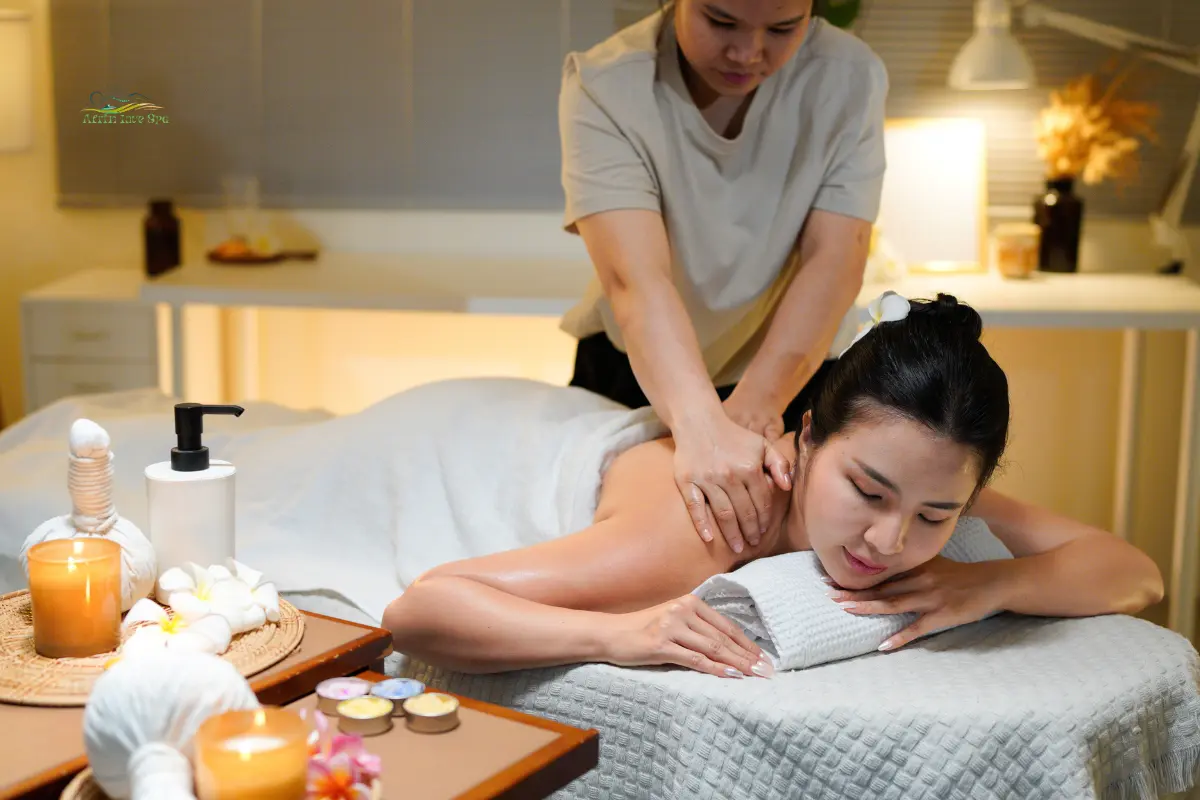
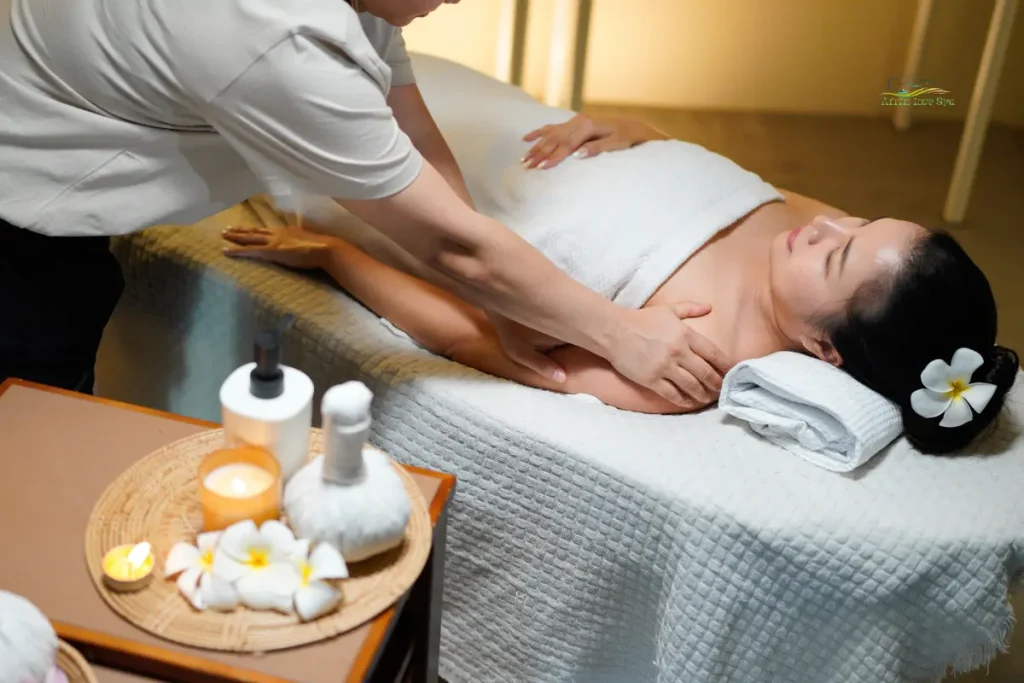
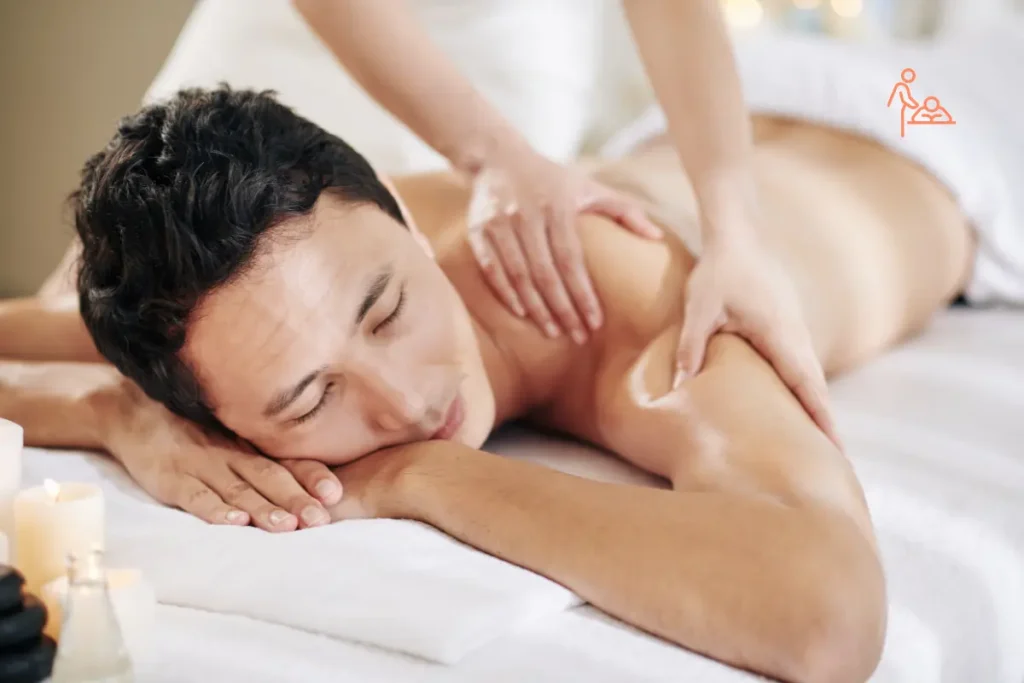
Oil massage is a full-body treatment built around one core idea: using oil to reduce friction so a therapist can apply firm, continuous strokes across muscles, joints, and connective tissue. The oil itself — often a neutral carrier oil such as sesame, coconut, almond, or a light mineral blend — isn’t the star of the show. It’s a tool that lets the therapist work deeper and longer without irritating the skin.
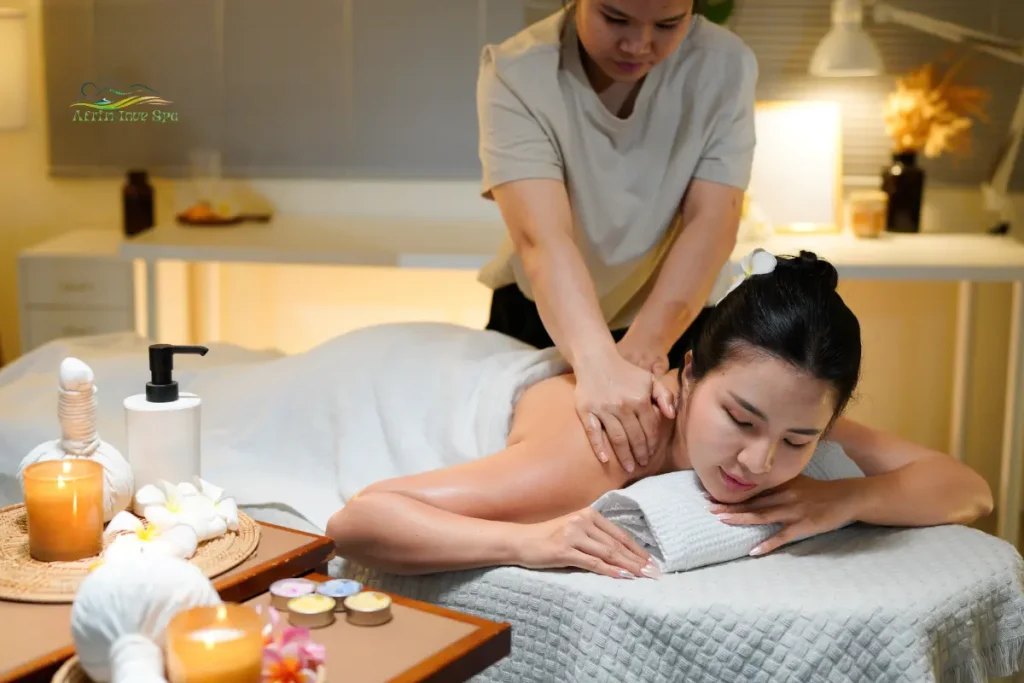
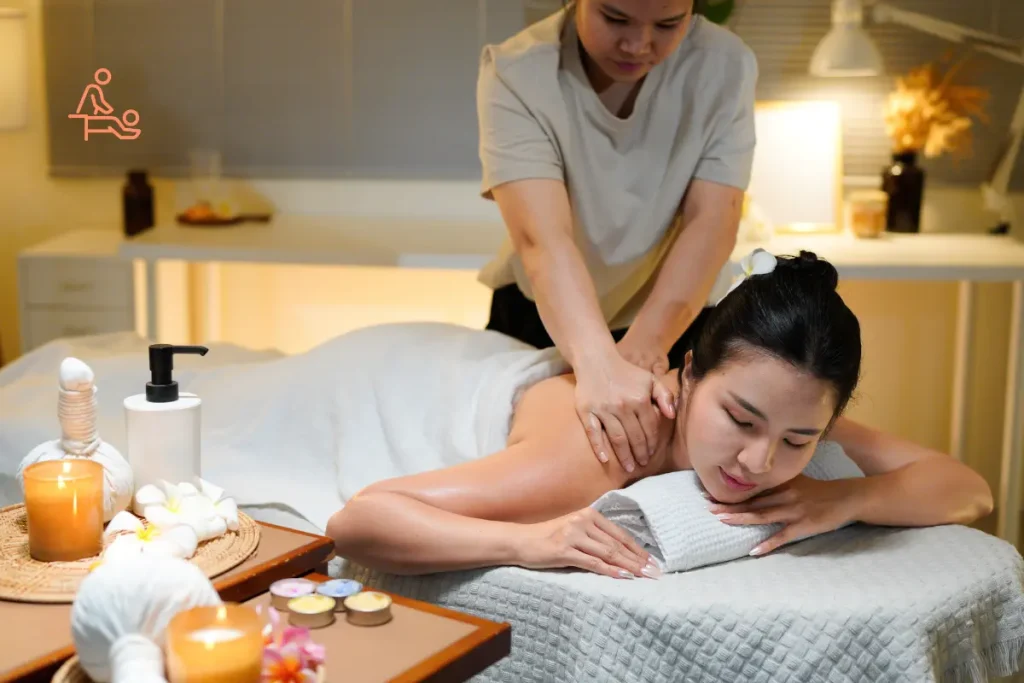
A typical oil massage session focuses on kneading, long gliding strokes, and moderate to firm pressure along the back, shoulders, arms, legs, and feet. It’s a technique-driven therapy, meaning the results come primarily from the physical manipulation of muscle tissue rather than from any scent or oil property. This is why oil massage is often the first recommendation for people dealing with physical tension: stiff necks, sore lower backs, tight calves, or the kind of full-body fatigue that builds up after weeks of sitting at a desk or standing on your feet all day.
Because the pressure can be adjusted from gentle to fairly deep, oil massage also suits people who want a more athletic or therapeutic experience rather than a purely sensory one. Many clients describe it as the treatment that leaves their body feeling ‘worked on’ — muscles loosened, circulation improved, and joints noticeably more mobile once they step off the table.

What Is Aromatherapy Massage?
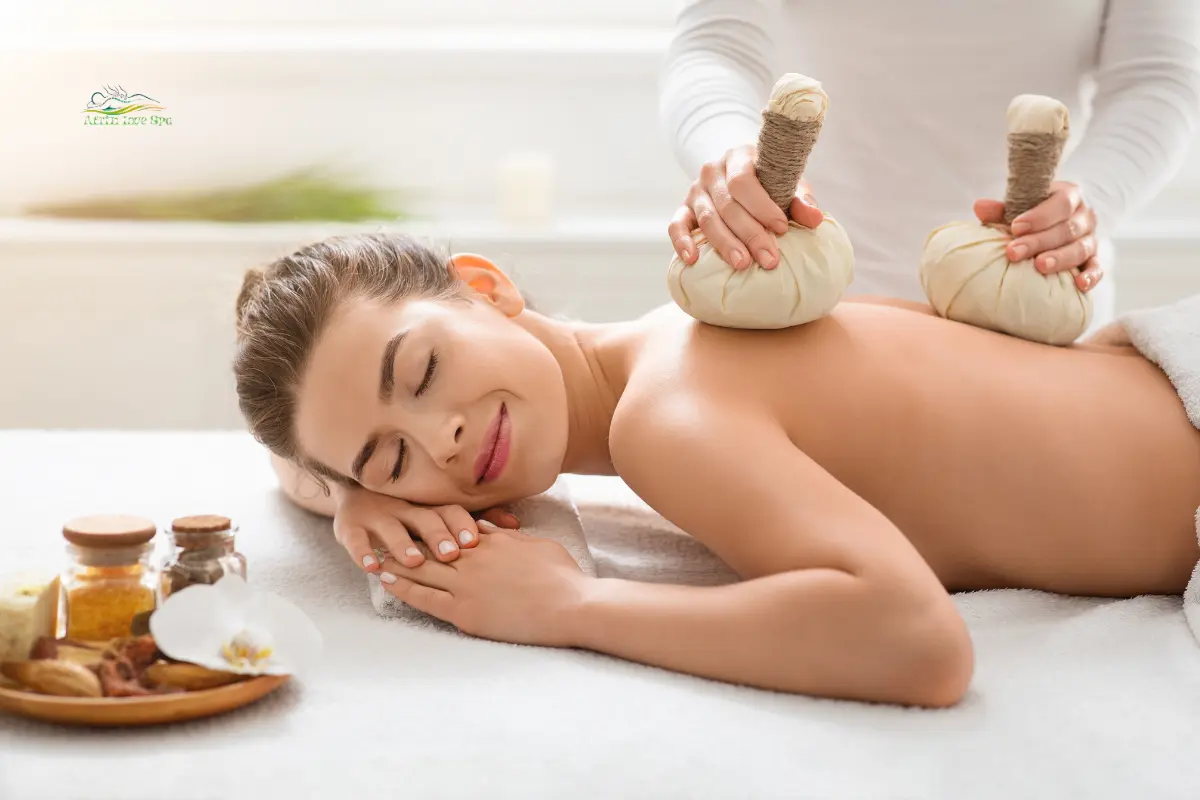
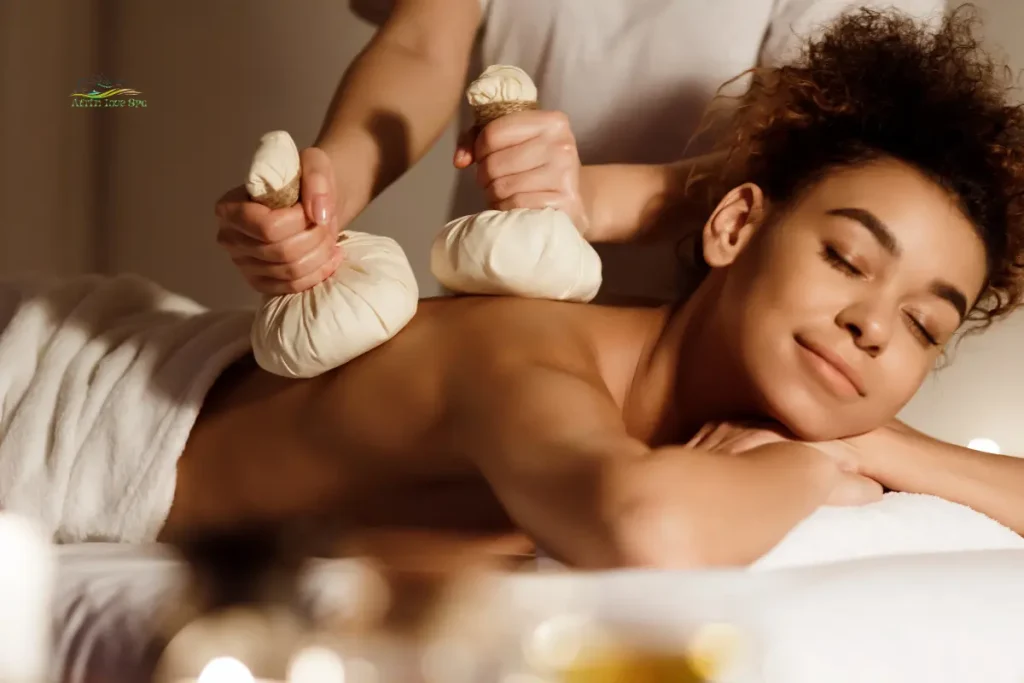
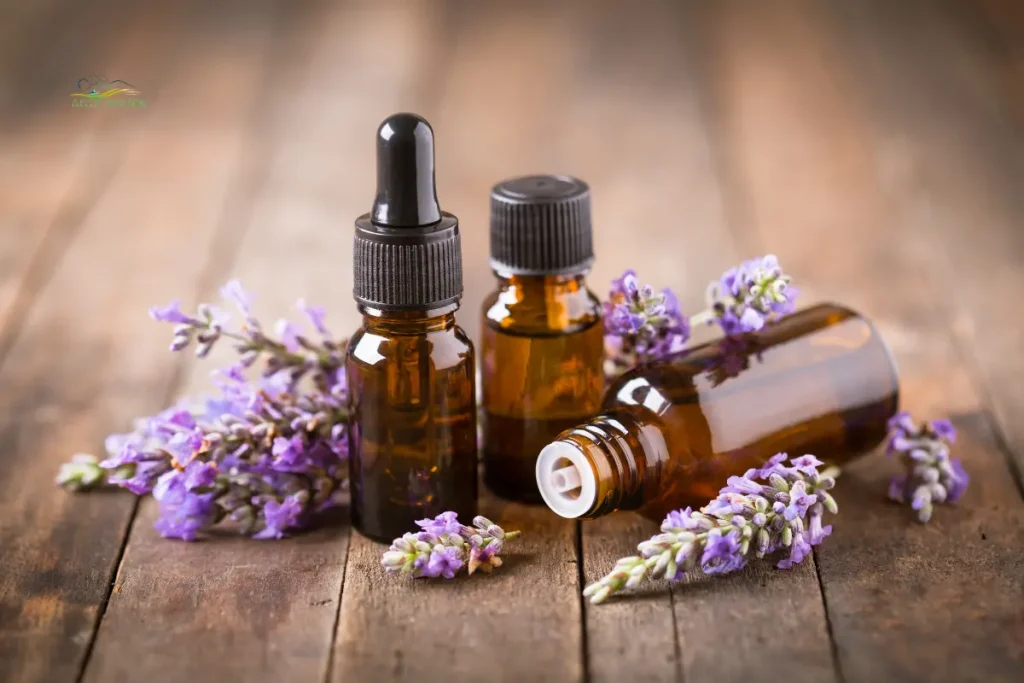
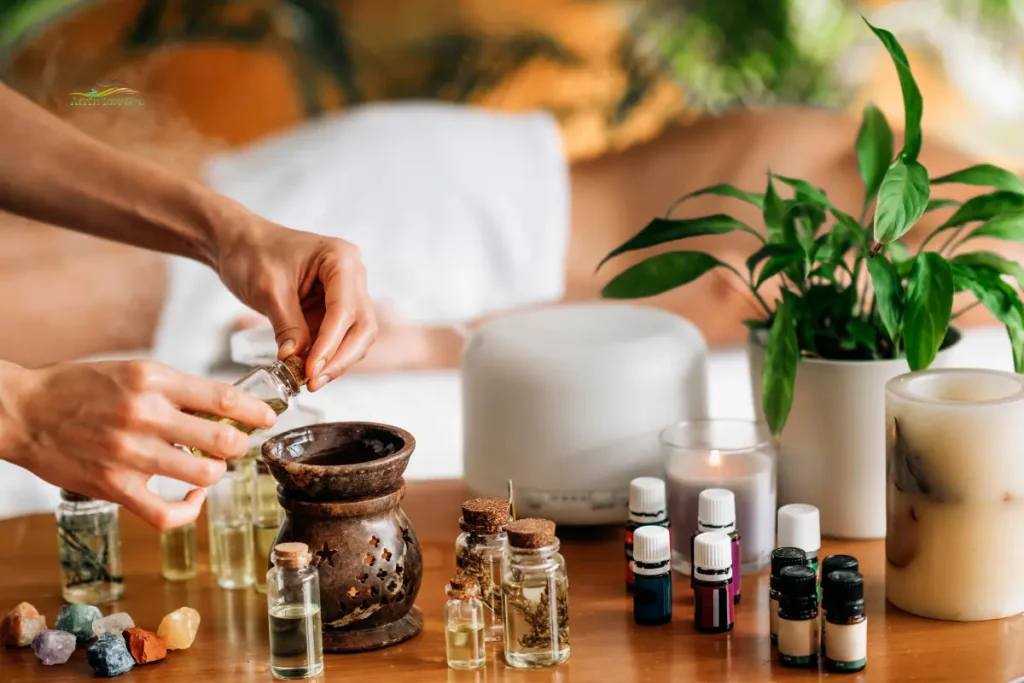
Aromatherapy massage takes the same gentle, gliding techniques used in a classic oil massage and layers essential oils on top — plant-derived extracts like lavender, eucalyptus, rosemary, chamomile, or ylang-ylang. These oils are chosen specifically for their scent profile and their known calming, uplifting, or balancing effects on mood and nervous system response.
Unlike oil massage, where the physical stroke does most of the work, aromatherapy massage treats scent as an equal partner to touch. The therapist typically uses lighter to medium pressure, slower rhythms, and longer holds, because the goal isn’t just to release muscle tension — it’s to guide the mind into a calmer state through the combination of touch and inhaled aroma. This is often why an aromatherapy session feels more meditative, almost like a sensory reset rather than a workout for your muscles.
Essential oil massage of this kind is frequently recommended for people dealing with anxiety, poor sleep, emotional exhaustion, or the kind of mental fog that comes from constant multitasking. It won’t replace deep tissue work for chronic muscle knots, but for nervous system relief, few treatments come close.

The Science Behind Touch, Scent, and Relaxation
Both treatments work because of how the body responds to physical touch, but they activate that response through slightly different pathways. Firm, rhythmic pressure — the kind used in oil massage — stimulates mechanoreceptors in the skin and muscle tissue, which signals the brain to reduce cortisol production and encourages blood vessels to dilate. That’s the physiological reason your shoulders feel looser and your circulation feels ‘warmer’ after a good oil massage session.
Aromatherapy massage adds a second layer to this response. Scent molecules from essential oils travel directly to the limbic system, the part of the brain responsible for emotion and memory, bypassing much of the more analytical processing that other senses go through. This is why a specific scent can shift your mood almost instantly, and why aromatherapy is often used alongside massage rather than on its own — the combination of touch and scent produces a calming effect that’s genuinely more than the sum of its parts.
Understanding this difference helps explain why the two treatments feel so distinct even though they share a similar setup: a table, warm oil, and trained hands. One is working primarily through the muscular and circulatory systems. The other is working primarily through the nervous system and emotional centers of the brain. Neither approach is superior; they’re simply solving different problems.
Oil Massage Techniques Explained
A well-executed oil massage typically layers several classic techniques rather than relying on just one repeated motion. Understanding these can help you communicate more clearly with your therapist about what you actually want out of the session.
- Effleurage — long, sweeping strokes used at the start and end of a session to warm up the muscles and spread the oil evenly
- Petrissage — kneading and squeezing motions that target deeper muscle layers, often used on the shoulders, thighs, and calves
- Friction — small, focused circular movements applied to specific knots or areas of tightness
- Tapotement — light rhythmic tapping, sometimes used near the end of a session to leave muscles feeling energized rather than overly sedated
- Compression — steady, held pressure applied with the palm or forearm, useful for larger muscle groups like the back and glutes
A skilled therapist moves between these techniques based on what they feel in your muscles, not a fixed script. If an area feels unusually tense, expect more time spent on petrissage and friction in that specific spot rather than a uniform, one-speed treatment across your whole body.
Popular Essential Oils Used in Aromatherapy Massage
The essential oil selected for your session isn’t just about fragrance preference — each oil is associated with a different effect on mood and the nervous system. Here’s a quick reference to some of the most commonly used options.
| Essential Oil | Commonly Used For |
| Lavender | General relaxation, anxiety relief, and improved sleep quality |
| Eucalyptus | Mental clarity, easing tension headaches, and respiratory comfort |
| Rosemary | Boosting alertness and easing muscular tension |
| Chamomile | Calming the nervous system and soothing irritability |
| Ylang-Ylang | Balancing mood and reducing emotional stress |
| Peppermint | Cooling sensation, mental refreshment, and headache relief |
Most spas allow clients to choose or swap oils based on personal preference, which is worth asking about if you have a scent you particularly enjoy — or one you’d rather avoid.
Oil Massage vs Aromatherapy Massage: Key Differences
Once you place the two side by side, the differences become much clearer. Here’s a quick comparison to help you see exactly where each treatment shines.
| Factor | Oil Massage | Aromatherapy Massage |
| Primary Goal | Muscle relief and physical relaxation | Emotional balance and nervous system calm |
| Oils Used | Neutral carrier oils (sesame, coconut, almond) | Essential oils (lavender, eucalyptus, chamomine) |
| Pressure Level | Light to firm, often deeper | Light to medium, gentle and slow |
| Best For | Sore muscles, stiffness, fatigue, circulation | Stress, anxiety, poor sleep, emotional exhaustion |
| Sensory Focus | Touch and pressure | Touch, scent, and breathing rhythm |
| Typical Pace | Steady, sometimes brisk | Slow, meditative |
| Good First Choice For | Physical tension and desk-job stiffness | Mental burnout and sleep troubles |
Oil Massage Benefits
Oil massage benefits go well beyond simple relaxation. When performed regularly, this treatment supports both short-term relief and longer-term physical wellbeing.
- Loosens tight muscles built up from long hours of sitting, standing, or repetitive movement
- Improves blood circulation, which helps deliver oxygen and nutrients to tired tissue
- Softens and nourishes the skin, since the oil is absorbed during the session
- Encourages better joint mobility, especially in the shoulders, neck, and lower back
- Helps flush out metabolic waste from muscles through improved lymphatic flow
- Supports deeper, more restful sleep once physical tension is released
Aromatherapy Massage Benefits
Aromatherapy massage benefits center on the mind-body connection, which is exactly why this treatment tends to attract clients who are dealing with more than just physical soreness.
- Reduces feelings of anxiety and mental overwhelm through calming scent inhalation
- Promotes a slower heart rate and deeper breathing, both signs of genuine relaxation
- Supports better sleep quality, particularly with oils like lavender and chamomile
- Improves overall mood and emotional balance after a stressful week
- Creates a meditative, screen-free window of time that helps reset mental clarity
- Gently eases tension headaches that are often linked to stress rather than muscle strain
Which Is Better: Oil Massage or Aromatherapy Massage?
There isn’t a single correct answer to which is better, oil massage or aromatherapy massage — it genuinely depends on what your body is asking for that week. Some clients need physical relief. Others need to switch their mind off for an hour. A few needs both, just not necessarily in the same session.
Choose Oil Massage If…
- You spend most of your day at a desk and feel stiffness in your neck, shoulders, or lower back
- You’ve been physically active and your muscles feel sore or overworked
- You want firmer pressure and a more therapeutic, hands-on treatment
- Your main goal is physical recovery rather than emotional relaxation
Choose Aromatherapy Massage If…
- You’ve been feeling anxious, overwhelmed, or mentally drained
- You’re struggling to sleep well or wind down at night
- You prefer a gentler touch paired with a calming sensory experience
- You want a treatment that feels more like a mental reset than a workout for your muscles
Oil Massage vs Aromatherapy Massage for Specific Concerns
Sometimes the clearest way to decide is to match the treatment directly to whatever is bothering you most right now, rather than thinking about it in abstract terms. Here’s how the two compares across some of the most common concerns clients bring up.
Chronic Muscle Stiffness and Knots
If you’re dealing with a persistent knot in your shoulder or a lower back that never quite loosens up, oil massage is generally the more effective starting point. The firmer pressure and techniques like petrissage and friction are designed to physically work through tight tissue in a way that lighter aromatherapy strokes typically aren’t built for.
Sleep Difficulties
For clients who struggle to fall asleep or wake up frequently through the night, aromatherapy massage with lavender or chamomile tends to produce more noticeable results. The combination of slow, rhythmic touch and calming scent helps quiet the nervous system in a way that’s specifically aligned with winding down for rest.
Emotional Burnout and Anxiety
When the issue is less about physical soreness and more about feeling mentally maxed out, aromatherapy massage is usually the better match. The scent component plays a direct role in shifting mood, which is something oil massage alone doesn’t specifically target.
Post-Travel or Post-Exercise Fatigue
After a long flight, an intense workout, or a physically demanding week, oil massage is typically the more useful choice. It supports circulation and helps muscles recover more quickly, which is exactly what tired, overworked tissue needs.
Headaches Linked to Tension or Stress
This is one area where the answer genuinely depends on the cause. If the headache stems from tight muscles in the neck and shoulders, oil massage focused on that area often brings relief. If it’s more connected to stress and mental overload, aromatherapy — particularly with peppermint or eucalyptus — can be equally, if not more, effective.
Who Should Be Cautious with Oil or Aromatherapy Massage?
Both treatments are considered safe for the vast majority of healthy adults, but a few situations call for extra caution or a quick conversation with your therapist before booking.
- Pregnant clients should confirm which oils and pressure levels are appropriate, as some essential oils and deep techniques aren’t recommended during pregnancy
- Anyone with a known skin allergy or sensitivity should request a patch test before a full session, especially with new essential oils
- Clients recovering from recent surgery or injury should get clearance from their doctor before booking a full body session
- People with certain chronic conditions, such as uncontrolled high blood pressure or blood clotting issues, should discuss massage therapy with their physician first
- Anyone currently dealing with a fever, infection, or contagious illness should reschedule until they’ve fully recovered
Can You Combine Oil Massage and Aromatherapy?
Yes, and honestly, this is where a lot of client’s land once they’ve tried both individually. A combined session usually starts with the firmer strokes of a classic oil massage to work out physical tension, then eases into the slower, essential-oil-infused rhythm of aromatherapy to calm the nervous system. This layered approach addresses both the body and the mind in a single appointment, which is why many spas — including ours — offer it as a customizable option rather than forcing clients to pick one or the other.
If you’re unsure which direction to go, it’s worth mentioning both concerns to your therapist before the session begins. A good therapist will naturally adjust pressure, pacing, and oil choice based on what you describe, even mid-session.
How to Prepare for Your Massage Session
A little preparation goes a long way toward getting the most out of either treatment. None of these steps are complicated, but they’re easy to overlook when you’re rushing straight from work to your appointment.
- Arrive 10–15 minutes early so you’re not rushing straight from traffic onto the table
- Avoid a heavy meal right before your session, since lying face-down can feel uncomfortable on a full stomach
- Mention any allergies, skin sensitivities, or medical conditions during the consultation, not after the session starts
- Wear comfortable clothing that’s easy to change out of, and remove jewelry beforehand
- If you have a specific area of tension, point it out clearly rather than assuming the therapist will find it unprompted
- Turn your phone to silent — part of the value of the session comes from genuinely disconnecting for an hour
Aftercare Tips Following an Oil or Aromatherapy Massage
What you do in the hours after your session can influence how long the benefits last. A few simple habits help extend the relief well beyond the massage table.
- Drink water after your session to support circulation and help flush out released muscle tension
- Avoid intense exercise immediately afterward — give your body a few hours to fully settle
- Take a warm shower rather than a very hot one, which can be drying after an oil-based treatment
- Give yourself permission to rest rather than jumping straight back into a packed schedule
- If you received an aromatherapy massage, try to keep your evening low-stimulation to preserve the calming effect
Pros and Cons: Oil Massage vs Aromatherapy Massage
| Pros | Cons | |
| Oil Massage | Effective for muscle stiffness; customizable pressure; boosts circulation and skin nourishment | May feel too firm for clients seeking pure relaxation; less focus on emotional wellbeing |
| Aromatherapy Massage | Deeply calming; supports sleep and mood; gentle enough for sensitive clients | Lighter pressure may not fully address deep muscle knots; scent sensitivity in rare cases |
Oil Massage and Aromatherapy Massage in Dhaka: What to Expect
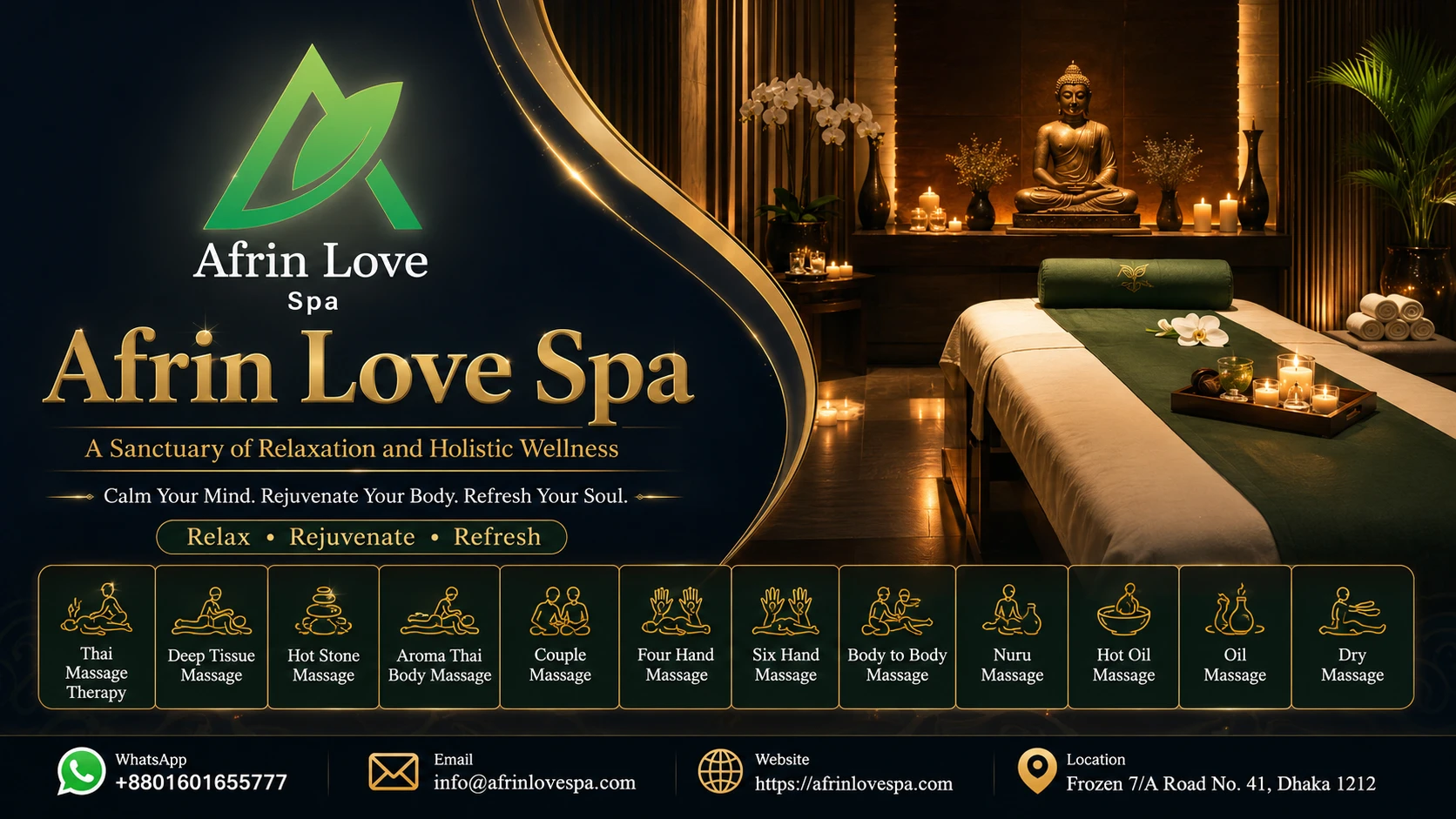
Massage therapy in Dhaka has grown considerably over the past few years, and demand for both oil massage and aromatherapy massage continue to rise across busy neighborhoods like Gulshan, Banani, and Uttara, where long commutes and demanding work schedules leave people looking for genuine ways to unwind. At Afrin Love Spa in Dhaka 1212, we regularly see clients who commute from these areas specifically because they want a treatment tailored to their actual needs rather than a one-size-fits-all package.
A typical session at a professional spa in Dhaka should begin with a short consultation — a few honest questions about where you’re feeling tension, whether you’re sleeping well, and what kind of pressure you’re comfortable with. This matters more than it sounds, because the best oil massage in Dhaka or the best aromatherapy massage in Dhaka isn’t necessarily the most expensive one; it’s the one where the therapist actually listens and adjusts the treatment accordingly.
Full body massage options that blend both dry and oil-based techniques, along with dedicated aromatherapy and relaxation therapy sessions, have become especially popular among office workers looking for consistent, ongoing stress relief rather than a once-a-year treat.
It’s worth noting that demand tends to spike during certain periods of the year — around exam seasons for students, ahead of major holidays, and during the hotter months when heat and humidity add their own layer of physical fatigue on top of everyday stress. Booking in advance during these windows is generally a good idea, particularly for popular time slots on weekends.
Couples and small groups visiting from areas like Gulshan, Banani, and Uttara often ask whether they can book side-by-side sessions, which is worth confirming directly with the spa since availability for simultaneous treatments can vary. For tourists staying in Dhaka for business or leisure, a well-timed massage session can also be an effective way to recover from long flights or a packed travel schedule before heading into meetings or sightseeing.
What to Look for in Professional Massage Therapy in Dhaka
Not every spa delivers the same quality of care, so it helps to know what separates a genuinely professional experience from a rushed one.
- Trained therapists who ask about your health history and comfort level before starting
- Clean, private treatment rooms with proper hygiene standards
- A choice of oils, including options for sensitive skin or scent preferences
- Flexibility to adjust pressure and pacing throughout the session, not just at booking
- Clear communication about pricing, duration, and what each treatment includes
- A calm, unhurried environment that doesn’t feel like a factory line of appointments
It’s also worth paying attention to how a spa handles the small details — whether towels and linens are fresh for every client, whether the room temperature is comfortable, and whether the therapist checks in periodically during longer sessions to confirm the pressure still feels right. These details rarely show up in advertising, but they’re usually the clearest sign of a spa that takes its craft seriously rather than simply going through the motions.
Common Misconceptions About Oil and Aromatherapy Massage
One of the most persistent myths is that aromatherapy massage is ‘just a nice smell’ with no real therapeutic value. In reality, specific essential oils have well-documented calming or invigorating effects on the nervous system, which is why the choice of oil is never random in a properly run session.
Another common misunderstanding is that oil massage always means intense, deep-tissue pressure. It doesn’t. Pressure is fully adjustable, and a good therapist will start lighter and adjust based on your feedback rather than assuming firmer is always better.
Finally, many people assume you have to choose one treatment permanently, as if switching between oil massage and aromatherapy massage from visit to visit is somehow wrong. It isn’t. Your body’s needs change week to week, and rotating between the two based on how you’re feeling is one of the smartest ways to use spa therapy as an ongoing wellness habit rather than an occasional indulgence.
Key Takeaways
- Oil massage focuses on physical relief through firmer, technique-driven strokes
- Aromatherapy massage focuses on emotional and mental relaxation through essential oils and gentler touch
- Choose oil massage for muscle stiffness and physical fatigue
- Choose aromatherapy massage for stress, anxiety, or sleep troubles
- Combining both in one session is a practical option for addressing body and mind together
- A good therapist will always adjust the treatment based on how you’re actually feeling that day
Conclusion
At the end of the day, the oil massage vs aromatherapy massage decision comes down to listening to what your body is telling you. If your shoulders are locked up from another week at a desk, oil massage will likely give you the physical relief you’re after. If your mind hasn’t stopped racing since Sunday night, aromatherapy massage will probably do more for you than any amount of deep pressure ever could.
The good news is you don’t have to get it perfectly right every time. Both treatments are part of the same broader goal — helping you feel like yourself again — and a knowledgeable therapist will always help guide that choice based on how you’re feeling on the day of your visit.
If you’re still unsure after reading through the differences, the simplest approach is to book a session, mention both concerns during your consultation, and let a qualified therapist help you decide in the moment. Over time, many clients find they naturally settle into a rhythm — perhaps oil massage after a physically demanding week and aromatherapy massage after an emotionally draining one — using both treatments as complementary tools rather than competing options. That flexibility is really the whole point: the goal was never to pick a permanent favorite, but to build a wellness routine that responds to whatever your body and mind actually need at the time.
Frequently Asked Questions
What is the main difference between oil massage and aromatherapy massage?
Oil massage relies on firmer, technique-driven strokes using neutral carrier oils to relieve physical muscle tension, while aromatherapy massage uses essential oils and gentler pressure to focus on emotional relaxation and nervous system calm.
Which is better for stress relief, oil massage or aromatherapy massage?
Aromatherapy massage is generally more effective for stress relief because the essential oils used are specifically chosen for their calming effect on mood and the nervous system, in addition to the relaxing touch.
Can oil massage help with back pain?
Yes, oil massage is often recommended for back pain and stiffness because the firmer, gliding pressure helps loosen tight muscles and improve circulation in the affected area.
Is aromatherapy massage safe for people with sensitive skin?
Most spas offer a choice of essential oils, so people with sensitive skin or scent sensitivities can request lighter oils or a patch test before the session begins.
How long does an oil massage or aromatherapy massage session usually take?
Both treatments typically range from 60 to 90 minutes, depending on whether it’s a partial or full body massage session.
Can I combine oil massage and aromatherapy massage in one session?
Yes, many spas offer a combined session that starts with firmer oil massage strokes and eases into gentler aromatherapy techniques for a treatment that addresses both body and mind.
Does aromatherapy massage help with sleep problems?
Aromatherapy massage, especially with oils like lavender and chamomile, is commonly used to support better sleep quality by calming the nervous system before bedtime.
Is oil massage or aromatherapy massage better for office workers?
Office workers dealing with physical stiffness from long hours at a desk often benefit most from oil massage, while those experiencing mental fatigue or stress may prefer aromatherapy massage.
What oils are typically used in oil massage versus aromatherapy massage?
Oil massage typically uses neutral carrier oils such as sesame, coconut, or almond oil, while aromatherapy massage incorporates essential oils like lavender, eucalyptus, or ylang-ylang for their scent and therapeutic properties.
How often should I get an oil massage or aromatherapy massage?
Many clients find that a session every two to four weeks helps maintain both physical relief and emotional balance, though this can vary based on individual stress levels and physical activity.
Where can I get professional oil massage and aromatherapy massage in Dhaka?
Afrin Love Spa in Dhaka 1212 offers professional oil massage, aromatherapy massage, and full body massage services designed around each client’s specific needs, serving clients across Dhaka including Gulshan, Banani, and Uttara.
Is aromatherapy massage suitable for first-time spa visitors?
Yes, aromatherapy massage is often a gentle and welcoming introduction for first-time visitors because of its lighter pressure and calming, non-intimidating approach.
Can pregnant women get oil massage or aromatherapy massage?
Certain oils and pressure techniques are not recommended during pregnancy, so it’s important to inform your therapist in advance so they can adjust the treatment or recommend a pregnancy-safe alternative.
Does aromatherapy massage use the same techniques as regular massage?
Aromatherapy massage uses many of the same gliding and kneading techniques as a regular oil massage, but typically with lighter pressure and a slower pace to emphasize relaxation over muscle work.